You can have a full yard and still be short of gear by 8am. If you run multiple live jobs, you’ve felt it: parts are “somewhere” — on a wagon, at a site, on a completed job waiting for dismantle, or sitting in a corner because nobody logged the last move.
This article breaks down why scaffold availability gets blurry as you scale, why relying on memory (or yard counts) quietly costs money, and what practical visibility looks like when equipment is constantly moving between yard, vehicles, sites, and jobs.
Scaffold doesn’t sit still: yard → vehicle → site → job (repeat)
In a busy scaffolding business, stock is rarely “in stock” for long. A normal week might include deliveries to new starts, collections from dismantles, urgent adds, and gear being shuffled between crews to keep programmes moving. Your equipment is continuously transitioning between:
- The yard — where it’s counted, prepped, repaired, and (sometimes) temporarily stored “until tomorrow.”
- Vehicles — where it’s technically not in the yard, but also not yet available on site for the next crew that needs it.
- Multiple sites — each with its own access constraints, workface priorities, and return timelines.
- Specific jobs within a site — ongoing phases, variations, temporary works, and partial dismantles.
That constant movement is exactly why tracking breaks down when the business relies on “knowing” where things are. Memory works when you have one yard, a small team, and a couple of sites. But as soon as you add more crews, more vehicles, more live starts, and more last-minute changes, the picture in your head stops matching reality.
Owner reality check: if you can’t trust your location data, every decision becomes a guess — what to send, what to buy, what to hire, and whether you can confidently commit to the next start date.
Why “we’ve got plenty in the yard” doesn’t show the full picture
Yard stock is only one slice of availability. If your system (or spreadsheet) mainly tells you what’s in the yard, it can hide the real issue: a large portion of your gear may be tied up elsewhere, and not coming back when you think it is.
Here are common reasons your yard count looks healthy while operations feel starved:
- Completed jobs still holding equipment — the job is “done,” but the dismantle hasn’t happened, or only a partial has been brought back.
- Dismantles that turn into storage — equipment sits on site waiting for access, permits, lift plans, or coordination with the main contractor.
- Gear parked on wagons — convenient for the next job, but effectively invisible if vehicles aren’t treated as a tracked location.
- Unrecorded moves between crews — one foreman borrows a few bays to solve a problem; nobody logs it; now your inventory is “right” on paper and wrong in reality.
When availability feels tight, a common reaction is: “We need to buy more.” Sometimes you do — but often buying is the most expensive way to solve a visibility problem.
| Symptom | What it can actually mean | Better first move |
| “We’re always short of ledgers.” | They’re allocated to sites/jobs you’ve mentally written off, or sitting on vehicles. | Check site allocations and
planned returns before purchasing. |
| “The yard count never matches.” | Movements aren’t consistently recorded, so inventory becomes unreliable | Fix movement discipline +
make locations (yard/vehicles/sites) trackable. |
| “We bought more but still chase gear.” | The issue is control, not quantity — extra stock just spreads the mess. | Improve visibility, then decide whether capacity truly needs increasing. |
Buying additional stock can be the right answer only when you’ve got a reliable picture of where equipment is, what’s allocated, what’s due back, and what’s genuinely missing. Without that, you’re spending capital to patch an information gap.
Why site allocations matter (especially with multiple live sites)
Once you’re running multiple live sites, “inventory” becomes more than a yard number — it becomes a network of allocations. What matters is not just what you own, but what’s currently committed and where it’s committed to.
Site allocation is the practical bridge between stock and operations. It answers questions owners deal with daily:
- How much gear is currently tied to each site (and which job/phase)?
- What’s planned to stay, what’s planned to come back, and when?
- What’s been moved without being recorded?
The complexity multiplies when you have several sites at different stages — one starting, one in full production, one being dismantled, and one awaiting handover. Equipment gets pulled forward to urgent work, left behind on completed jobs, and swapped between crews to avoid downtime. Without allocations you can trust, you don’t really have inventory — you have an estimate.
The hidden damage of unrecorded movements
Unrecorded movements are the fastest way to make your numbers meaningless. And once the business stops trusting the system, people stop using it — which creates a loop of increasingly unreliable data.
What unrecorded movements usually lead to:
- Wrong decisions — buying or hiring gear you already have, because it’s “lost” in the system.
- Last-minute firefighting — crews arrive and the kit isn’t there; deliveries get reshuffled; overtime creeps in.
- Customer frustration — you can’t confidently confirm variations, adds, or start dates because availability is uncertain.
Practical rule: if scaffold can move, it needs a recorded movement — yard to vehicle, vehicle to site, site to site, and return to yard. The goal isn’t admin for admin’s sake; it’s making stock dependable enough to run the business on it.
Hired equipment: where costs quietly creep in
Hired gear solves short-term capacity issues, but it can quietly become a long-term cost if off-hire is delayed. The most common problem isn’t the hire rate — it’s the lack of timely visibility that tells you when something is no longer needed, or when it’s stuck on a completed job waiting for dismantle.
Typical off-hire cost traps include:
- Off-hire requested too late — because nobody flagged that the work was complete, or the dismantle was rescheduled.
- Hired gear mixed with owned gear — so it stays on site longer “because it’s there.”
- No alerts or reminders — you only notice the extra weeks when the invoice arrives.
When hire and off-hire are tied to real site allocations and job status, you get back control: you can see what’s on hire, where it is, and when it should be coming off. That’s where savings show up — not by squeezing suppliers, but by preventing avoidable hire days.
Inventory and scheduling should work together (not in separate worlds)
If your schedule says you’re starting three jobs next week, but your stock view can’t confirm availability across live allocations, you’re planning with half the information. The strongest setups connect:
- What’s booked (upcoming starts, variations, dismantles)
- What’s allocated (what’s already committed to each live site/job)
- What’s actually available (yard + vehicles + expected returns)
This is where better visibility directly supports customer service. When you can see stock and allocations clearly, you can respond faster and more confidently: confirm start dates, price variations accurately, plan deliveries, and reduce the “let me check and call you back” delays that frustrate clients and slow down your own team.
Key takeaway: visibility isn’t just about reducing losses — it’s about making reliable promises to customers and running multiple sites without constant firefighting.
How SDL Pro Management helps connect the dots
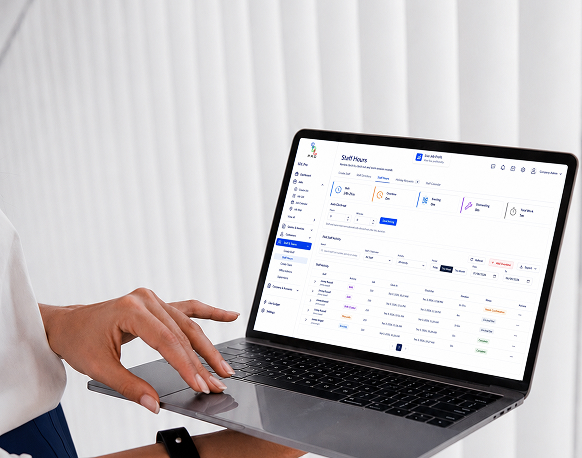
For scaffolding businesses juggling multiple sites, SDL Pro Management is built to bring stock, allocations, and project information into one connected view — so you can stop relying on memory and start managing with confidence.
With SDL Pro Management, you can connect the operational pieces that typically sit in separate places:
- Stock — know what you have and what’s available.
- Site allocations — see what equipment is committed to each site/job, not just what’s in the yard.
- Hire and off-hire — track hired equipment alongside owned stock and reduce avoidable hire days.
- Off-hire alerts — prompt action when equipment should be coming off hire, before invoices stack up.
- Wider project information — keep key job details connected to the equipment and the plan, supporting smoother scheduling and communication.
Conclusion: stop guessing — build a picture you can run on
If you’re asking “Where is all our scaffold?” the answer usually isn’t that it disappeared — it’s that it’s spread across yards, vehicles, sites, and completed jobs in ways your current tracking can’t reliably show. The fix starts with disciplined movements, meaningful site allocations, and a joined-up view of inventory and scheduling.
When you can see what’s allocated, what’s on hire, what’s due back, and what’s tied up in dismantles, you make better decisions: fewer panic hires, fewer unnecessary purchases, smoother starts, and more confident answers to customers.